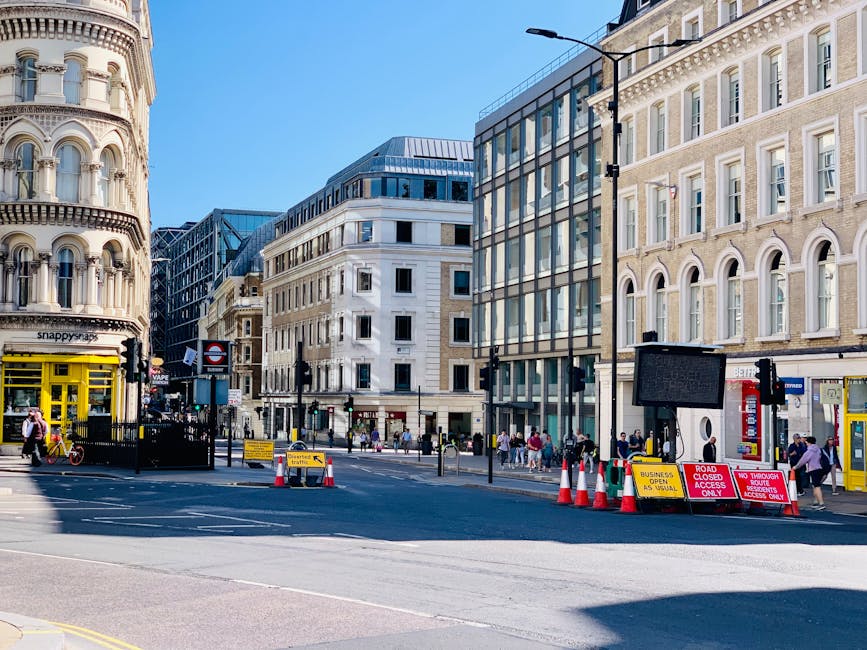
Ilford High Road office cleaning for shops and businesses
Posted on 22/06/2026
If you run a shop, salon, agency, clinic, or small office on Ilford High Road, you already know the place never really stands still. Doors open, people come and go, deliveries arrive, the pavement dust follows you in, and before long the reception counter, flooring, and washrooms start showing it. That is where Ilford High Road office cleaning for shops and businesses becomes less of a nice extra and more of a quiet daily necessity.
Good commercial cleaning does more than make a place look tidy. It helps staff work better, supports a more professional first impression, and reduces the kind of grime that creeps up on you over time. Truth be told, most business owners only notice the difference when the cleaning slips. Then everything feels off. A little dull. A little harder to manage.
This guide breaks down what the service actually involves, who needs it, how it works, and what to look for if you want reliable results on one of Ilford's busiest streets. It also covers practical mistakes, useful best practices, and a simple checklist you can use before booking. If you want a broader view of available cleaning support, the services overview is a useful starting point.

Why Ilford High Road office cleaning for shops and businesses Matters
Ilford High Road is busy in the best and worst ways. It brings footfall, visibility, and commercial energy. It also brings mud on wet days, fingerprints on glass, scuffs at entrances, crumbs in break areas, and the sort of fine dust that seems to appear out of nowhere. For businesses in that kind of environment, cleaning is part of operations, not just presentation.
Shops need clean floors, windows, shelves, changing areas, counters, and stockrooms. Offices need desks, touchpoints, toilets, kitchens, and bins handled properly. Shared spaces need regular attention so staff and visitors are not stepping around yesterday's mess. And if you are in a customer-facing line of work, one messy corner can colour the whole experience. Harsh but true.
There is also a trust factor. People tend to read cleanliness as a sign of how well a business is run. A clean entrance says the place is organised. A fresh-smelling washroom says somebody cares about the details. A dusty skirting board, on the other hand, can quietly do the opposite.
For local operators, especially those in retail, consulting, salons, estate agencies, clinics, and small professional offices, regular cleaning also helps protect fittings and finishes. Dirt left too long becomes harder to remove. That means more wear, more cleaning time, and sometimes avoidable replacement costs. If you have ever watched the same coffee spill stain into a carpet tile for weeks, you will know exactly what that feels like.
How Ilford High Road office cleaning for shops and businesses Works
Commercial cleaning is usually built around the way the premises actually operate. That sounds obvious, but it matters. A shop that opens early and closes late has different needs from a back-office team that works mostly at desks. A cafe-adjacent retail unit has different risks from a solicitor's office. The cleaner should work with the building's rhythm, not against it.
Most arrangements start with a site discussion or walkthrough. The aim is to identify the high-traffic areas, the sensitive surfaces, the cleaning frequency, and the tasks that need careful handling. In practical terms, that might include floors, washrooms, bins, door handles, waiting areas, kitchen spaces, glass, and hard-to-reach corners where dust loves to sit.
Then comes the schedule. Some businesses want early-morning cleaning before opening. Others prefer evening visits after the public has gone home. Some need several short visits a week; others are better served by one deeper clean and daily light upkeep. The right setup depends on footfall, opening hours, and how visible the space is to customers.
A solid service usually includes clear task lists, agreed frequency, product selection, and a sensible point of contact if something needs adjusting. That sounds basic, yet it saves a lot of friction later. Nobody likes the "I thought that was included" conversation. Nobody.
If you are comparing service types, it can help to look at the business alongside broader cleaning categories such as office cleaning in Ilford, because many commercial properties need a mix of both office and public-facing cleaning tasks.
Key Benefits and Practical Advantages
The biggest benefit is consistency. Anyone can do a quick tidy. What businesses need is a repeatable standard that stops the place drifting into chaos by Thursday afternoon. That consistency is what makes a commercial cleaning routine genuinely valuable.
Here are the most practical advantages:
- Better first impressions for customers, clients, and suppliers
- Cleaner touchpoints in busy areas such as handles, counters, and shared equipment
- Improved working conditions for staff who spend all day in the space
- Less disruption when cleaning is planned outside peak trading hours
- Longer life for surfaces such as flooring, carpets, upholstery, and fittings
- More control over standards through a regular schedule rather than occasional panic cleans
There is another benefit that gets overlooked: mental clarity. A clean workspace makes day-to-day decisions feel lighter. Staff find what they need faster. Managers spend less time chasing small issues. Customers are less likely to notice distractions. It just feels smoother.
For mixed premises, the impact can be even stronger. A shop with an office above it, for example, often accumulates two kinds of mess: public-facing mess and admin-space mess. Combining the right cleaning approach can simplify the whole building, which is good news for everyone involved.
Who This Is For and When It Makes Sense
This kind of cleaning is a strong fit for businesses that get regular visitors, use shared spaces, or trade in a visibly competitive environment. On a street like Ilford High Road, that covers more premises than people sometimes realise.
You are likely to need it if you run:
- a retail shop or boutique
- a salon, barbershop, or beauty studio
- an office with staff and client visits
- a property or lettings office
- a small clinic or consultation room
- a takeaway counter, cafe front area, or similar customer-facing space
- a shared commercial unit with multiple users
It also makes sense when your own team is already stretched. That is a common scenario. The front desk is busy, the last customer leaves late, and no one wants to stay behind mopping floors after a long shift. Fair enough, really.
You may also need a more formal cleaning arrangement if you are preparing for inspections, seasonal trading periods, staff return-to-work changes, or a refit. In those moments, a one-off tidy is rarely enough. You need a cleaning plan that matches the pressure on the building.
And if your premises are affected by carpet wear, spills, or odours, it can help to pair routine commercial cleaning with specialist support such as carpet cleaning in Ilford. That is especially useful in reception spaces and customer waiting areas where flooring does a lot of visual heavy lifting.
Step-by-Step Guidance
If you are setting up cleaning for a business on Ilford High Road, do it in a way that is calm and structured. A bit of method now prevents a lot of back-and-forth later.
- Map the space. List every area that needs attention: shop floor, office zone, kitchenette, washroom, stockroom, windows, staff room, and entrance.
- Separate daily, weekly, and occasional tasks. For example, bins and touchpoints may need daily attention, while deep cleaning and high-level dusting may be weekly or monthly.
- Decide the right timing. Early morning, late evening, or a split schedule can all work. Choose what causes the least disruption.
- Flag sensitive items. Mention electronics, displays, delicate flooring, branded surfaces, and any area that should only be cleaned with specific products.
- Agree the standard. "Clean" is not enough. Define what clean means in practical terms: no visible dust, emptied bins, sanitised washrooms, streak-free glass, tidy counters.
- Set a review point. After the first few visits, check what is working and what needs adjusting. Small tweaks make a big difference.
One useful trick is to walk the premises at the end of the day before the cleaner arrives. You notice so much more in natural light or under the harsh white ceiling bulbs than you do while rushing around at lunch. A missed smear on a glass door suddenly becomes obvious. Funny how that happens.
If you are building a broader cleaning plan rather than a one-off booking, it can be useful to explore the wider service overview so you can see how commercial and specialist cleaning needs might fit together.
Expert Tips for Better Results
After cleaning enough busy premises, a few patterns become obvious. The businesses that stay cleaner for longer usually make the job easier from the start.
- Use entrance control wisely. Good mats at the door reduce the amount of grit dragged in from Ilford High Road.
- Keep surfaces uncluttered. The cleaner can do a better job if desks, counters, and shelving are not overloaded with loose items.
- Separate client areas from storage. Stockrooms and back offices often get neglected because nobody sees them. Then they become a problem all at once.
- Target touchpoints more often. Handles, switches, card machines, and rails can collect grime fast.
- Use the right finish for the floor type. A shiny floor that looks clean but remains slippery is not a win. It just looks polished and awkward.
- Build a quick daily close-down routine. Even five minutes of reset time can make a noticeable difference by morning.
It also helps to think in zones. Front-of-house areas need presentation and hygiene. Back-of-house areas need functionality and grit. Staff toilets need a higher level of attention than a corridor. This sounds obvious, but in practice people often clean by habit rather than by risk.
And here is a slightly unglamorous but useful tip: keep a spare supply of bin liners, paper towels, and a neutral all-purpose cleaner on site. When there is a spill at 4:55 pm, nobody wants to go hunting for the one cloth that has mysteriously vanished. Happens all the time.

Common Mistakes to Avoid
Commercial cleaning goes wrong most often when businesses assume the job is simpler than it is. That leads to gaps, poor expectations, and avoidable disappointment.
- Choosing price before clarity. A very cheap quote with vague wording often turns into frustration.
- Forgetting the back-of-house. Staff spaces, sinks, bins, and storage areas matter more than many owners think.
- Not updating the cleaning brief. A business changes over time. New furniture, new staff, different opening hours, and new hazards all need to be reflected.
- Using the same schedule forever. Winter dirt, summer dust, and seasonal footfall are not the same thing.
- Ignoring customer touchpoints. A spotless floor will not save a grubby door handle or sticky counter.
- Overlooking specialist tasks. Some areas need more than routine wiping, especially carpets and upholstered seating.
One mistake worth calling out separately is expecting a cleaner to read the room, so to speak. They should absolutely be experienced and proactive. But if a shop has a fragile display area or an office has a printer room full of cables, it helps to say so. Clarity saves everyone time.
If your premises have fabrics or seating that need extra care, you may also want to look at upholstery cleaning in Ilford for problem areas that routine cleaning won't fully solve.
Tools, Resources and Recommendations
Good cleaning depends on good basics. You do not need a warehouse full of gadgets, but you do need the right tools for the right surfaces. That keeps standards up and reduces the chance of damage.
Useful tools and supplies for commercial premises include:
- microfibre cloths for dust and general wipe-downs
- vacuum cleaners suited to carpets and edge areas
- mops and buckets with clean water changes
- neutral cleaning solutions for mixed surfaces
- disinfecting products used carefully and only where needed
- glass and screen-safe wipes for customer-facing areas
- bin liners, gloves, and colour-coded cloths if used as part of a controlled system
Practical recommendations:
- keep a simple cleaning log if the premises are busy or multi-user
- store chemicals safely and away from public access
- label cloths and tools clearly if different zones need different hygiene levels
- review flooring care separately from general cleaning
- treat odour control as part of cleaning, not an afterthought
For businesses that are mainly concerned with pricing and comparing options, the pricing and quotes page is a sensible place to understand how estimates are usually approached. You may not need the same level of service all year, and that flexibility can matter more than people expect.
Law, Compliance, Standards, or Best Practice
This kind of cleaning touches on hygiene, safety, and workplace management, so it is worth taking the practical side seriously. The exact duties vary by premises and use, but the general principle is simple: businesses should keep the workplace reasonably clean, safe, and fit for staff and visitors.
In the UK, many business owners also think about occupational health and safety, fire safety, slip risk, and handling of cleaning chemicals. That does not mean every premises needs a complex system. It does mean cleaning should be planned rather than improvised. Spilled liquid on a tiled entrance can become a slipping hazard very quickly, especially on a wet day when people are in and out.
Good practice usually includes:
- using suitable products for the surface being cleaned
- keeping walkways clear while cleaning is in progress
- storing products safely and away from food or customer areas
- ensuring staff know how to report a spill or hygiene issue
- keeping washrooms, kitchens, and shared areas on a tighter routine
Where there are particular hazards, such as slippery entrances, public washrooms, or high-traffic floors, the cleaning plan should reflect that. Common sense goes a long way here. So does consistency.
Businesses that want reassurance around safety, insurance, and service expectations may find it useful to review the insurance and safety information and the health and safety policy. If you are the person signing off the work, those details matter more than they first seem.
Options, Methods, or Comparison Table
There is no single best cleaning method for every shop or office. The right approach depends on footfall, layout, budget, and how polished the customer area needs to look. Here is a simple comparison to help you think it through.
| Method | Best for | Strengths | Limitations |
|---|---|---|---|
| Daily light cleaning | Busy shops, receptions, small offices | Keeps visible areas tidy, supports a professional look | Does not remove built-up grime or embedded dirt |
| Scheduled commercial cleaning | Most businesses with regular opening hours | Reliable, manageable, and easy to plan around trading times | Needs a clear brief and ongoing review |
| Deep cleaning | Seasonal resets, post-refit, higher-risk areas | Addresses neglected corners, edges, and heavier soil | Usually not enough on its own for daily operations |
| Specialist add-ons | Carpets, upholstery, problem odours, stubborn marks | Targets specific issues properly | Often works best as part of a wider plan |
Most businesses end up using a mix. That is usually sensible. A shop front might need daily attention, while carpets only need periodic specialist care. Offices often need the same split: frequent touchpoint cleaning, plus occasional deeper work on flooring and fabrics.
Case Study or Real-World Example
Consider a small retail office on Ilford High Road with a front customer desk, two workstations, a compact kitchenette, and a shared washroom. The owner initially asked for a simple once-a-week tidy. After a few weeks, they realised that was not enough. The entrance glass showed fingerprints by midday, the kitchen bin area developed a smell, and the carpet at the door started looking tired long before the rest of the office did.
What changed the picture was not a dramatic new product. It was a more realistic plan. The business switched to a regular light-clean schedule for public areas, added attention to touchpoints, and arranged periodic carpet care for the entrance zone. Nothing fancy. Just better matching of the cleaning to the real use of the space.
That kind of adjustment is common. And honestly, it is often the difference between a space that always feels half-clean and one that feels properly under control. Not perfect. Just under control. Which, for a busy business, is a big win.
In some cases, businesses also borrow ideas from nearby property and residential cleaning habits, especially when they are refurbishing or changing tenants. For example, the way people prepare a property in central Ilford can be surprisingly similar to the way a small office resets after a busy season. If that is relevant to your situation, you may also find the end of tenancy cleaning in Ilford guidance useful for understanding deeper reset-style cleaning.
Practical Checklist
Use this checklist before you book or review a cleaning arrangement for your premises.
- Have you listed every area that needs cleaning, including back-of-house spaces?
- Have you identified the highest-traffic zones and the most visible customer areas?
- Do you know which tasks are daily, weekly, and occasional?
- Have you flagged fragile surfaces, electronics, or specialist flooring?
- Do you have a preferred cleaning time that avoids disruption?
- Have you decided how often washrooms, kitchens, and touchpoints need attention?
- Have you checked whether carpets or upholstery need separate care?
- Do you have a clear standard for what "done" looks like?
- Have you confirmed who to contact if something is missed or needs changing?
- Have you thought about seasonal changes in dirt, footfall, or trading hours?
Expert summary: The best cleaning plans are simple, specific, and repeatable. If your premises are busy, visible, and customer-facing, consistency matters more than occasional perfection. Keep the brief clear, review it regularly, and match the cleaning to the way the space is actually used.
Conclusion
Ilford High Road office cleaning for shops and businesses is really about keeping a busy commercial space ready for people. That means customers, staff, suppliers, visitors, and the everyday mess that comes with all of them. When the cleaning is planned properly, the whole business feels easier to run. The space looks better, smells fresher, and works more smoothly.
The businesses that do this well tend to think in practical terms: what gets dirty fastest, what customers notice first, what staff need to work comfortably, and what should be handled before it becomes a problem. That mindset saves money, time, and a fair bit of stress too.
If you are still shaping your approach, take your time, walk the premises, and be honest about the level of wear your space really gets. A sensible plan is better than an overpromised one. Every time.
Get a free quote today and see how much you can save.
And if you want to learn more about the people behind the service, you can also read the about us page for a better sense of the company's approach and standards.
Clean premises do not just look better. They make the day feel lighter, which is something every busy business can appreciate.