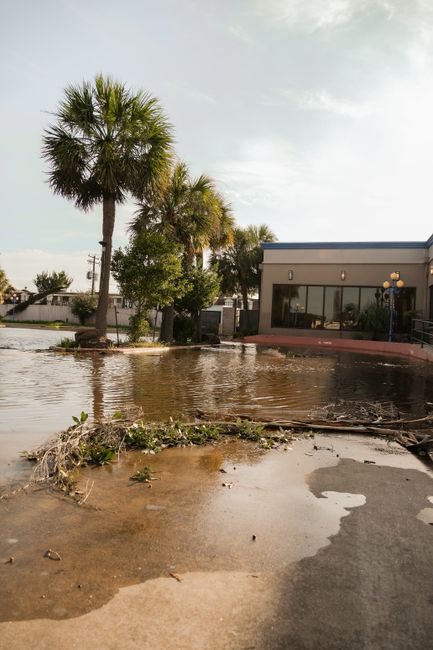
Emergency flood cleaning Ilford same day response guide
If water has just poured into your home or business, the first few minutes feel messy, noisy and oddly slow at the same time. Floors squelch, carpets darken, and you are left trying to work out what matters most: safety, damage control, or finding help. This Emergency flood cleaning Ilford same day response guide is here to make that moment simpler. It explains what to do straight away, how same-day flood cleaning usually works, what to expect from the process, and which mistakes can make a bad situation worse.
Truth be told, flood cleanup is rarely just about mopping up visible water. You are dealing with soaked materials, hidden moisture, potential contamination and the risk of mould setting in fast. The good news? A clear plan helps. And if you need broader support after the immediate emergency, services such as deep cleaning, carpet cleaning and steam carpet cleaning can often form part of the recovery once the property is safe to work on.
Below, you will find practical guidance written for real people in real situations. Not perfect situations, because those never seem to exist in flood cleanup. But useful ones.
Why Emergency flood cleaning Ilford same day response guide Matters
Flooding is one of those problems that can look manageable at first glance and then turn stubborn very quickly. A shallow layer of water can soak under skirting boards, into underlay, behind furniture and into wall finishes before you have finished moving items out of the room. That hidden damp is where the real headache starts.
Same-day response matters because time changes the job. The longer water sits, the more likely you are to see stained carpets, swollen wood, damaged laminate, odours and the first signs of mould. Even if the water seems clean, the materials in the room may not stay clean for long. In a family home, that can mean bedrooms out of use. In a shop or office, it can mean disruption, unpleasant smells and a difficult day for staff or customers.
In Ilford, where many properties mix older building materials with newer refurbishments, flood water can travel in surprising ways. A hallway may seem fine while the adjoining room is already holding moisture under the floor covering. That is why emergency flood cleaning is not just a visual tidy-up. It is a controlled response aimed at protecting the structure, reducing further damage and getting the space safe again as quickly as possible.
Expert takeaway: the fastest win is not always the shiniest finish. In flood response, the priority is to remove moisture, stabilise the space and stop avoidable damage before talking about deep restoration.
If the flood has affected soft furnishings or carpets, it may later be sensible to combine urgent drying with targeted treatment like upholstery cleaning, sofa cleaning or rug cleaning. But first things first: get the water under control.
How Emergency flood cleaning Ilford same day response guide Works
Same-day flood cleaning usually follows a simple but disciplined sequence. It is not glamorous, but it is effective. The aim is to move from emergency containment to moisture removal and then to cleaning and deodorising, while keeping the property safe to occupy.
1. Initial assessment
The first step is to identify the source and type of water if possible. Clean water from a burst pipe is different from grey water from appliances or contaminated water from outside. That distinction shapes the whole approach. A careful assessor will also look at floor type, room size, furnishings and any electrical risks. To be fair, this is the bit people often skip because they are rushing to grab towels. Understandable, but not ideal.
2. Safety and containment
Before any cleaning starts, the area needs to be made safe. That can mean isolating power in affected areas, moving people and pets away, and stopping access to slippery or unstable surfaces. Containment also helps prevent water from spreading into hallways, landings or adjacent rooms.
3. Water removal and extraction
Standing water is removed first, often with extraction equipment rather than standard domestic cleaning tools. The sooner this happens, the better the outcome tends to be. A bucket and mop might help at the edges, but they will not deal properly with water trapped in carpet fibres or under padding.
4. Drying and dehumidification
Once the visible water is removed, drying becomes the real job. Air movement, dehumidification and monitoring matter more than people expect. You want moisture to leave the room steadily, not just the surface to feel dry for an hour. Anyone who has ever touched a floor that seemed fine at 11 a.m. and still felt damp by tea time will know what I mean.
5. Cleaning, disinfection and odour control
After the structure is stabilised, cleaners may treat affected surfaces, carpets or fabrics depending on what has been damaged. This stage can include stain treatment, odour removal and more detailed work for items that can be salvaged. For stubborn marks or long-damp fibres, stain removal may be needed alongside textile-specific care.
6. Final review and next-step advice
A sensible same-day service should end with clear advice on what was saved, what needs more drying, and what should be monitored over the next 24 to 72 hours. That advice is especially helpful if you are deciding whether to keep using a room, replace flooring or book further remedial cleaning.
Key Benefits and Practical Advantages
The most obvious benefit is speed. Same-day response reduces the time water has to seep into materials, which can limit damage. But there are a few more practical advantages that matter just as much.
- Less secondary damage: fast extraction can reduce swelling, staining and warping in floors and furniture.
- Better hygiene: moisture left behind can create an ideal environment for mould and odour, especially in warm rooms.
- Lower disruption: a quicker response can get one room back in use sooner, which is a big deal in family homes and workspaces.
- Clearer decisions: when the water is removed and the drying process is underway, it becomes easier to judge what can be cleaned and what needs replacement.
- Less stress: a structured response helps you feel in control again. Small thing, maybe, but not really small when your kitchen floor is under water.
Flood damage can also overlap with other cleaning needs. For example, if water has spread through a hallway or landing, a property may later benefit from house cleaning or domestic cleaning once the emergency stage is done. In commercial settings, the equivalent may be a mix of commercial cleaning and specialist treatment for impacted rooms.
Who This Is For and When It Makes Sense
This guide is for anyone dealing with sudden water damage in Ilford and wondering whether they need urgent help, what to do first, and what happens next. It is relevant for homeowners, tenants, landlords, letting agents, office managers, shop owners and Airbnb hosts trying to protect a property after a flood or leak.
It also makes sense if you are facing one of these situations:
- a burst pipe in a bathroom, kitchen or utility area
- overflow from a washing machine, dishwasher or appliance leak
- heavy rain causing water ingress through doors, windows, roofs or gutters
- localised flooding from a blocked drain or external water run-off
- a suspected leak that has already soaked flooring or carpet
Sometimes the issue looks too small to call an emergency service. That is where people get caught out. If the floor feels soft, the carpet smells musty, or water has reached under furniture, you may already be dealing with hidden damage. On the other hand, if it is literally a tiny spill and the surface is sealed, standard cleaning may be enough. The trick is being honest about what you can see and what you cannot.
For landlords and property managers, same-day action can also help reduce conflict later. A clear response, documented promptly, tends to make the whole thing easier to explain if the property later needs more extensive work. Nobody enjoys the paperwork, obviously, but it beats a bigger repair bill.
Step-by-Step Guidance
If you are in the middle of a flood emergency right now, keep it simple. Here is the practical order that usually works best.
- Protect people first. Keep children, pets and anyone vulnerable away from the affected area. If there is any chance the water has reached sockets, appliances or wiring, avoid contact until the area is made safe.
- Stop the source if you can do so safely. Turn off water supplies only if you know where the stopcock is and can reach it without risk. If not, wait for help. No heroics needed.
- Move valuables and soft items. Lift anything dry and portable out of the way. Papers, rugs, cushions, small furniture and bags of clothes can often be saved if they are moved quickly.
- Photograph the damage. Before too much is moved, take clear pictures for your records. That can help with insurance or landlord discussions later.
- Blot and contain. Use towels or cloths at the edges to stop spreading, but do not waste time trying to solve the whole problem manually.
- Arrange same-day flood cleaning. Once the room is safe, bring in a team that can extract water, dry the space and treat affected surfaces.
- Ventilate carefully. If it is safe to do so, increase airflow. Windows may help, though in some weather they can also let in more damp air. It depends on the day, and London weather rarely makes things easy.
- Monitor drying over time. A room can feel sorted before it is properly dry. Keep checking affected areas over the next day or two.
If carpets, rugs or mats are soaked, they may need specialist treatment. Depending on the material and how quickly you act, services such as carpet cleaning and steam carpet cleaning can be useful after the initial extraction, while certain items may require rug cleaning or even replacement if they have held contaminated water too long.
Expert Tips for Better Results
These are the small things that often make a large difference.
Act before the smell appears. Once that damp, stale smell starts, moisture has usually moved deeper into materials. If the room already smells earthy or musty, take it seriously.
Do not over-wet the area again. It sounds obvious, but using too much water while trying to clean a flood-damaged room can slow drying and spread contamination. Less is more, most of the time.
Lift furniture feet early. Wooden legs, chipboard bases and metal frames can all leave marks or corrode if left sitting in moisture. Even a simple foil barrier or small block can help in a pinch.
Watch the edges of the room. Water often hides under skirting boards, behind wardrobes and beneath sofa bases. If those edges are ignored, damp can linger. Sneaky little nuisance, that.
Choose the right follow-up clean. Once drying is under control, the next cleaning stage should match the material. A hard floor needs different treatment from a wool rug or fabric sofa. For hard surfaces, hard floor cleaning may be the right next step. For furnishings, upholstery cleaning is often more appropriate.
Keep a note of what changed. If a floor starts curling, a stain darkens, or a smell returns after 24 hours, that is useful information. Small details help with decisions later.
Be realistic about salvageability. Some items can be restored. Some cannot. Sometimes the mature call is to replace rather than keep treating an item endlessly. Annoying, yes. But sensible.
Common Mistakes to Avoid
Most flood-related mistakes come from rushing or assuming the issue is smaller than it is. A few are especially common.
- Waiting too long to act: even a few hours can make a difference to carpets, underlay and soft furnishings.
- Ignoring hidden moisture: a dry-looking surface can still be damp underneath.
- Using household fans only: airflow helps, but serious water removal usually needs more than a domestic fan.
- Trying to scrub everything immediately: if the material is still saturated, aggressive cleaning can spread dirt and wear out fibres.
- Forgetting electrical risk: power and water are not friends. Obvious, but worth saying.
- Throwing away items too quickly: some belongings can be saved if treated properly.
A less obvious mistake is treating flood cleaning like routine cleaning. It is not. A flood is part cleaning, part moisture management, part damage control. If you approach it as a normal weekend tidy-up, you may end up paying for it later.
Tools, Resources and Recommendations
You do not need to own specialist equipment to handle the first few minutes sensibly, but it helps to know what professionals may use and why it matters.
| Tool or method | What it helps with | When it is useful |
|---|---|---|
| Wet extraction equipment | Removing standing water and moisture from carpets or hard floors | Best in the first phase of emergency response |
| Dehumidifiers | Drawing moisture out of the air and materials | Essential during the drying stage |
| Air movers or fans | Increasing airflow across damp surfaces | Helpful once excess water has been removed |
| Moisture checks | Tracking whether hidden damp remains | Important before declaring a room dry |
| Targeted stain and odour treatment | Reducing visible marks and lingering smells | After the room is stable and drying is underway |
On the property side, it can also help to keep a simple emergency contact list in advance, especially if you manage a rental, office or shared building. Include water shut-off details, access notes, and the relevant provider for cleaning follow-up. A lot of panic comes from not knowing who can unlock what, frankly.
For post-flood recovery in homes, services such as one-off cleaning can be useful after the emergency phase, while more extensive damage may overlap with after builders cleaning if repair work follows. If the incident affects common entrances or shared corridors, communal area cleaning may be needed to bring everything back to normal safely.
Law, Compliance, Standards, or Best Practice
Flood cleaning sits in a space where safety, hygiene and practical judgement all matter. While the exact legal position will depend on the property, the type of water involved and who occupies the premises, a few best-practice principles are worth keeping in mind.
First, electrical safety comes before cleaning. If water has reached sockets, appliances, extension leads or consumer units, the area should be treated cautiously until it has been checked and made safe. Second, where water is suspected to be contaminated, extra care is needed with personal protective equipment, disposal and surface cleaning. Third, if you are a landlord or managing agent, keeping clear records of the incident, the response, and any follow-up advice is simply good practice.
In workplace settings, flood response should fit into a wider health and safety approach. That includes access control, slip prevention and a sensible plan for reopening the affected area. If the property is commercial, the clean-up may also need to sit alongside your usual maintenance arrangements such as office cleaning or broader commercial carpet cleaning where fabric flooring has been affected.
Best practice also includes being careful about what you say and promise. Some floors and fabrics are recoverable. Others are not. A trustworthy response avoids overpromising and instead gives clear next steps, which is far more useful in a stressful moment.
Options, Methods, and Comparison Table
Not every flood situation needs the same solution. A quick comparison helps make the decision clearer.
| Method | Best for | Pros | Limitations |
|---|---|---|---|
| DIY towel-and-fan approach | Very small clean-water spills | Cheap, immediate, easy to start | Not suitable for hidden damp, carpets or larger rooms |
| Same-day emergency flood cleaning | Most urgent domestic and commercial floods | Fast extraction, safer drying, less secondary damage | Requires access to appropriate equipment and expertise |
| Specialist restorative cleaning | Materials needing detailed treatment after initial drying | Can save carpets, rugs and furnishings where possible | May take longer and depends on the condition of the item |
| Replacement and repair | Severely damaged flooring or fixtures | Definitive solution when salvage is unlikely | Costly and disruptive, often the last resort |
The right option usually depends on three things: how much water there is, what has absorbed it, and how quickly you start. That is the plain truth of it. Small spill, sealed surface, quick response? Often manageable. Soaked carpet, hidden underlay, lingering smell? Much more serious.
Case Study or Real-World Example
Here is a realistic example drawn from the sort of emergency many people face in Ilford.
Late in the afternoon, a family notices water spreading across a kitchen floor after a washing machine hose fails. By the time they spot it, the water has run into the hallway and under a lightweight mat. They turn off the appliance, move a few items and call for same-day help rather than waiting until morning.
On arrival, the priority is not scrubbing the floor. It is checking the source area, removing remaining water and looking at where moisture has travelled. The kitchen vinyl lifts slightly at one edge, and a nearby cupboard base feels damp. The hallway carpet is wet but not saturated all the way through. That matters, because it changes the drying plan.
After extraction, the team sets up airflow and drying equipment, then returns to treat the hallway carpet and dry the kitchen more thoroughly. Two days later the family can use most of the space again, though they are advised to keep an eye on the cupboard base and the skirting line. A bigger repair job is avoided, which is a relief everyone can understand.
It is not always that neat, of course. Sometimes the floor has already warped and the room needs more work. But fast action gives you the best shot at a decent outcome. Always has.
Practical Checklist
Use this checklist if you want a quick, sensible order of action during a flood emergency:
- Check that people and pets are safe.
- Stop the source of water if it is safe and easy to do so.
- Switch off affected electrics only if you know it is safe.
- Move dry items away from the water.
- Take photos before too much is moved.
- Blot or contain the spread at the edges.
- Arrange same-day flood cleaning.
- Allow drying and monitoring to continue properly.
- Watch for smells, stains or soft spots over the next 24 to 72 hours.
- Book follow-up cleaning or repairs if materials were heavily affected.
Quick reminder: if the water source is unknown, contaminated, or near electrics, treat the situation with extra caution and seek professional help sooner rather than later.
Conclusion
A flood in your property is stressful, noisy and inconvenient, yes. But it does not have to turn into a long, chaotic mess. With a calm first response, safe containment and same-day flood cleaning, you can often limit the damage and make the next steps much clearer.
The main thing to remember is simple: water damage moves fast, and so should your response. Deal with safety first, then extraction, then drying, then the finer cleaning work. If the incident has affected carpets, fabrics, hard floors or shared spaces, the right follow-up service can make the property feel liveable again much sooner than you might expect.
If you are weighing up what to do next, start with the most urgent issue in front of you and work outward from there. Small steps, done quickly, are what save the day.
Get a free quote today and see how much you can save.
Frequently Asked Questions
What should I do first after a flood in my Ilford property?
Focus on safety first. Keep people away from the water, avoid any area where electrics may be affected, and stop the source if you can do so safely. Then begin moving dry items and arranging emergency cleaning as quickly as possible.
How fast should same-day flood cleaning happen?
The sooner the better. Same-day response is valuable because moisture begins soaking deeper into floors, carpets and furniture almost immediately. A fast response can make a real difference to the amount of damage left behind.
Can a wet carpet be saved after a flood?
Sometimes, yes. It depends on the water source, how long the carpet has been wet and whether the underlay or subfloor has been affected. Clean water and fast action give the best chance of salvage.
Is flood water always dangerous?
Not always, but it should never be treated casually. Even apparently clean water can create slip risks and electrical risks, and once it sits for a while it may become unhygienic. If in doubt, treat it carefully.
Do I need professional help for a small leak?
If the leak is tiny, the surface is sealed and you are sure no hidden moisture has spread, you may be able to manage it yourself. If carpet, underlay, skirting boards or furniture are involved, professional help is usually wiser.
How long does flood drying usually take?
It varies a lot. Light spills may dry quickly, while soaked floors and furnishings can take much longer. The real point is to monitor moisture properly rather than guessing by touch alone.
Can emergency flood cleaning remove the smell?
It can help a great deal, especially if the source of moisture is removed quickly and the right drying and cleaning methods are used. Persistent odours usually mean hidden damp or contaminated materials still need attention.
Will flood cleaning protect against mould?
It helps reduce the risk, but there are no guarantees if materials stay damp. Fast extraction, careful drying and follow-up checks are the best way to lower the chance of mould developing.
What if the flood affected my business premises?
Then speed matters even more. You may need to protect staff, customers, stock and equipment while getting the space cleaned and dried. A commercial response should be organised with access, safety and reopening in mind.
Can I book flood cleaning and regular cleaning together?
Yes, sometimes that makes sense once the emergency phase is over. A flood response may be followed by regular cleaning or a more general one-off cleaning visit depending on how much of the property was affected.
What about furniture that got wet?
Soft furnishings often need separate attention. Depending on the item, sofa cleaning, upholstery cleaning or even specialist stain treatment may be needed once the room is dry enough to work on.
How do I know whether a room is safe to use again?
Look for visible dryness, stable surfaces, no lingering damp smell and no signs of softening, warping or dark patches. If you are unsure, it is safer to wait for proper assessment rather than rushing back in. A slightly boring answer, maybe, but the sensible one.
Sometimes the best outcome after a flood is not perfection. It is a home or workplace that feels steady again, without that damp uncertainty hanging over it. And honestly, that is a pretty good place to get back to.